
How to Keep Your Lawn Green During Hot Nebraska Summers
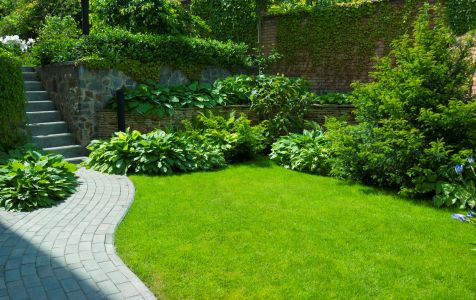
When July air sits heavy over the Platte and south winds race up the river valley, Bellevue lawns feel it. Heat, wind, and long daylight hours push cool-season grasses to their limit. With a plan built for our climate, your yard can hold rich color from Olde Towne to Fontenelle Hills. If you want a proven approach without the guesswork, our lawn care services focus on steady color and strong roots all summer.
Why Nebraska Heat Dries Out Lawns
Nebraska’s primary turf types are cool-season grasses like Kentucky bluegrass, perennial ryegrass, and tall fescue. Bluegrass and rye love spring and fall, but in July and August they burn through water faster than roots can replace it. Hot, gusty afternoons pull moisture from blades and soil, while many Bellevue yards sit on clay or clay-loam that sheds water when hit too fast.
As temperatures climb, grass chooses survival over growth. Bluegrass can slip into light dormancy to protect the crown. Fescue hangs on longer because its roots reach deeper. The trick in summer is not to “chase green” with random practices, but to support the root zone so the plant can manage heat without collapsing.
Watering Schedules That Work in Bellevue, NE
Summer success in Sarpy County starts with timing and depth. Our team builds irrigation windows around the coolest part of the morning so water moves downward instead of flashing off the surface. For most Bellevue properties, we target deep, even moisture that totals roughly an inch to an inch and a half over the course of a week, adjusted for rainfall, shade, slope, and soil intake rate. On clay-heavy sites, we often use cycle-and-soak to prevent runoff: shorter passes with rest periods so water can sink past the thatch and into the root zone.
Wind and heat spikes over the Missouri can change how long water stays available. We track those patterns and tighten or loosen schedules accordingly. The goal is consistent hydration at root depth, not constant surface dampness that invites disease. When a property needs hands-on refinement, our technicians test zones, observe how fast each area accepts water, and dial schedules so the lawn stays even from curb to back fence. This work is part of our mid-summer tune-ups within our lawn care services.
Mowing Heights and Summer Maintenance
Blade height is one of the simplest levers for summer color. Taller grass shades the soil, cools the crown, and slows evaporation. In peak heat, we maintain cool-season turf on the higher end of its range so leaves can protect roots and compete with weeds. Sharp blades are essential because ragged cuts lose more water and invite stress. Mulched clippings return organic matter, which helps the soil hold moisture and nutrients.
Traffic management also matters. Play areas and dog paths can show stress first. We rotate patterns and, when needed, install small reinforcement solutions in those lanes so green stays uniform. Fertility becomes a light touch during heat waves. Instead of heavy applications, our team uses modest, balanced feeding timed to avoid stress windows so plants recover color without a growth surge.
Drought-Resistant Strategies for Midwest Yards
Heat is only half the story. Drought can ride along with it. To keep color through dry spells, we build resilience before the worst weeks arrive. Tall fescue blends often perform better under prolonged dryness due to deeper roots. Where bluegrass dominates, we strengthen the soil with organic matter so roots can explore more volume. In problem areas that dry out quickly, wetting agents can help water penetrate evenly rather than beading on hydrophobic soil.
Tree shade affects water needs too. Under maples and oaks, turf competes with roots and the canopy blocks rainfall. We adjust irrigation in those rings and manage leaf litter and microclimate so the turf does not thin out by late August. For sloped yards near the bluffs overlooking the Missouri, we run shorter, repeated irrigation passes to prevent runoff lines and dry bands.
Reading The Lawn: Signs It Needs Help
Green fades for many reasons, and the fix depends on the cause. We look for patterns that separate heat and drought stress from disease or insect pressure. Quick checks tell a clear story and guide our next move.
- Footprints or mower tracks linger on the lawn after you walk across it, which points to low turgor pressure and dehydration.
- Blades turn bluish-gray by mid-afternoon, then perk up by morning, a classic heat stress cycle.
- Localized dry spots that stay pale despite watering, often tied to compaction or hydrophobic soil.
- Thinning under trees or along fences where wind funnels and sun reflects.
- Irregular patches that suggest disease or grubs, which we treat differently than drought.
When we see these clues, we adjust schedules, raise the cut, or treat the underlying issue so the fix lasts. **Treating symptoms without solving the cause wastes water and time.**
Neighborhood And Soil Notes Around Bellevue, NE
Each Bellevue neighborhood has its own microclimate. Olde Towne lots are cozy and often shaded, so they cool faster overnight but compete with tree roots. Fontenelle Hills has slopes that shed water quickly and heat up in afternoon sun. Two Springs and Chandler Hills include newer soils with variable compaction from construction. Offutt AFB housing areas often see steady foot traffic that creates patterns in turf.
We tailor settings for each area. For example, a north-facing lawn near Everett Park can hold moisture longer and needs lighter watering than a south-facing yard along Harvell Drive. Close to the river bottoms, summer humidity rises, so we watch for leaf wetness in the morning window. **Small tweaks based on block and exposure often make the difference between dull green and standout color.**
If you are comparing providers, look for a team that monitors weather swings and adjusts in-season. Our site visits are scheduled around real-time conditions, not a rigid calendar. You can learn more about our approach to nebraska lawn care from Frontline Home Services LLC and see how we keep service focused on your results.
Soil Health, Fertility, and Mid-Summer Color
Soil is the pantry and the water tank for your lawn. In summer we protect both. On many Bellevue lawns, the subsoil includes fine particles that compact under traffic and sprinkler impact. We address that with cultural practices that open pathways for air and water, then we follow with light, well-timed nutrients so roots can use what’s applied.
After spring’s push, heavy fertilization can drive soft, thirsty growth that falters in heat. Our summer plan favors smaller, steady feeding and micronutrient support. **Healthy soil buffers heat better than any single product.** By keeping the pantry stocked and the tank balanced, color holds longer even when highs reach the 90s.
How We Set Watering Windows and Zones
Timing
We aim irrigation just before sunrise so wind is lower, temperatures are cooler, and water can move into the profile. This keeps leaf wetness short and limits waste. During extended heat, we sometimes use a brief pre-cool cycle that settles dust and reduces leaf temperature before the main soak, then return to deep watering the next available morning.
Depth and Distribution
Uniform coverage matters as much as minutes. We check for dry arcs from clogged nozzles or misaligned heads and correct them so the entire area receives the same dose. On clay-loam, we use split cycles to get water to 4 to 6 inches where it helps roots most. **Even distribution is the difference between patchy green and a smooth, consistent lawn.**
Why Tall Fescue Blends Shine In Summer
Tall fescue’s deeper root system anchors color during heat and lower rainfall. In sunny, open areas of Bellevue, mixed stands with a strong fescue base often ride out August with fewer stress marks. Where a lawn is mostly bluegrass, we can strengthen summer performance by increasing fescue percentage during fall renovation, then manage height and water the following summer to match the new mix. This is a long-game solution that pays off year after year.
Our Pro Summer Plan For Consistent Color
Every lawn is different, but our framework stays consistent and simple. We adjust the details to your property and the week’s forecast so the plan always fits the day, not just the season.
- Pre-dawn irrigation windows that favor deep watering with cycle-and-soak on compacted or sloped sections.
- Higher summer mowing height with sharp blades and mulched clippings to cool the soil and feed the microbiome.
- Light, well-timed fertility with micronutrients to support recovery without forcing top growth.
- Soil-focused fixes like wetting agents in stubborn dry spots and small-scale compaction relief where traffic patterns show.
- Ongoing monitoring for disease, insects, and heat-triggered stress so we act before color drops.
If your yard needs a steadier plan in July and August, our team can fold these steps into a tailored schedule. Ask about our mid-season checkups and adjustments, part of our comprehensive summer lawn care program for Bellevue properties.
What “Green” Really Means In Peak Heat
In the deepest heat, some cool-season lawns choose survival mode. That is not failure. It is biology doing its job. Our role is to keep the crown safe, manage moisture wisely, and set the table for fast rebound when the next cool front slides through. Color that bends but does not break is the target. By late August, the same roots we protected will fuel that crisp September green homeowners love.
Get A Greener Lawn All Summer
Hot Nebraska summers do not have to mean faded turf. With the right timing, height, and soil-first care, your yard can look strong from Memorial Day to Labor Day. For a plan built around your block, call Frontline Home Services LLC at 402-218-0676. If you are ready to start, explore our approach to lawn care services and let’s tailor a mid-summer schedule that keeps your grass calm, cool, and consistently green.
Request Your Free Quote for Pressure Washing Services in Papillion NE!
Or Fill Out Our Quick Form!